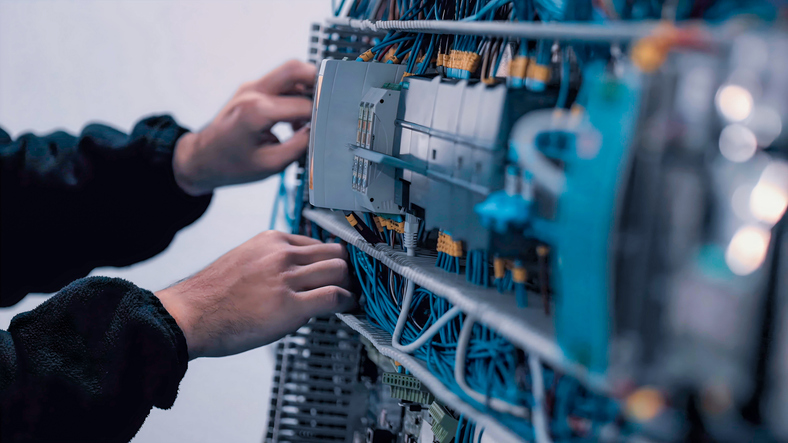
In an era dominated by cloud computing, artificial intelligence, and high-speed connectivity, it’s easy to assume that modern technology is entirely wireless. But behind nearly every fast internet connection, secure enterprise system, or reliable office network lies something far more tangible: structured network and data cabling.
While consumers tend to focus on routers, devices, and software, the physical infrastructure that carries data remains the foundation of modern communication systems. As businesses across the United States expand their digital capabilities, demand for professional cabling installation has quietly grown into a critical part of maintaining reliable networks.
According to research from the global networking company Cisco, internet traffic continues to grow exponentially as businesses adopt cloud services, video conferencing, and connected devices. The company’s widely cited Visual Networking Index has long predicted that enterprise data traffic will surge as organizations digitize operations.
Yet increased bandwidth alone isn’t enough. Without a properly designed cabling infrastructure, even the fastest internet service can be crippled by bottlenecks, signal interference, and inconsistent connectivity.
The Physical Layer: Why Cabling Still Matters
Every digital interaction — from loading a website to transferring files across a corporate network — ultimately travels through physical infrastructure. In networking terminology, this is known as the physical layer of communication systems.
The widely used Institute of Electrical and Electronics Engineers (IEEE) networking standards emphasize that properly installed cabling is essential to ensure reliability, speed, and long-term scalability in business networks.
Modern installations typically rely on structured cabling systems using standards like Cat6, Cat6a, or fiber-optic lines. These systems are designed to support high-speed communication across offices, data centers, hospitals, schools, and manufacturing facilities.
The importance of reliable infrastructure has been highlighted by cybersecurity and infrastructure agencies as well. The Cybersecurity and Infrastructure Security Agency (CISA) notes that physical network infrastructure plays a critical role in maintaining secure and resilient communication systems across industries.
Poorly designed cabling layouts can lead to slow network speeds, intermittent outages, and even increased vulnerability to security risks.
The Rise of Structured Cabling in Modern Workspaces
Structured cabling systems emerged as a solution to the growing complexity of enterprise networks. Instead of ad-hoc wiring or patchwork installations, structured systems organize cables into standardized layouts that allow for easier troubleshooting and future upgrades.
Organizations such as the Telecommunications Industry Association (TIA) publish widely adopted guidelines for how structured cabling should be installed in commercial buildings.
These standards help ensure that infrastructure can handle increasing data demands over time.
For example, the explosion of remote collaboration tools and video conferencing platforms has significantly increased the amount of data moving across corporate networks. Studies cited by Pew Research Center show that remote and hybrid work models remain a lasting part of the modern workforce, further increasing reliance on robust connectivity inside offices and data centers.
When these systems are designed correctly, they allow companies to expand operations without constantly rebuilding their network infrastructure.
Why Professional Installation Makes a Difference
Network cabling might appear simple at first glance, but the reality is far more technical. Proper installation requires careful planning around factors such as signal interference, cable pathways, airflow, and building codes.
Improper installation can lead to performance degradation, especially in high-density environments like data centers or corporate offices.
Professional installers evaluate several key elements during deployment:
-
Cable category and bandwidth capacity
-
Distance limitations for copper and fiber connections
-
Interference from electrical equipment
-
Proper labeling and cable management systems
-
Compliance with national and local building codes
The National Institute of Standards and Technology (NIST) emphasizes that reliable IT infrastructure depends on both secure hardware and properly implemented physical systems.
In short, the unseen wiring behind office walls often determines whether digital systems run smoothly or become a constant source of frustration.
Infrastructure Demands Are Rising Nationwide
Across the United States, industries ranging from healthcare to logistics are investing heavily in network infrastructure upgrades.
Hospitals now rely on real-time data sharing between medical devices and electronic health record systems. Warehouses and distribution centers depend on automated systems and connected inventory management platforms.
Even schools and universities have expanded digital learning systems that require dependable internal networks.
As a result, demand for experienced network installers has increased across major metropolitan regions.
Southern California’s Growing Infrastructure Needs
Few places illustrate this demand better than Southern California.
With one of the largest regional economies in the United States, Southern California hosts a wide range of technology companies, media studios, healthcare networks, and logistics hubs. These industries require sophisticated networking infrastructure capable of handling large volumes of data traffic.
According to regional economic research from the Los Angeles County Economic Development Corporation, Southern California remains a major hub for digital media production, advanced manufacturing, and logistics operations — all industries that depend heavily on reliable network infrastructure.
Businesses expanding or relocating within the region often require new cabling systems to support modern office layouts, high-speed internet, and secure internal networks.
For companies navigating these infrastructure needs, working with experienced installers can make a substantial difference. Many organizations rely on trusted Southern California cabling experts who specialize in structured cabling design, fiber installations, and enterprise network upgrades tailored to the region’s complex commercial environments.
From office towers in Los Angeles to logistics centers throughout Inland Empire distribution corridors, professional cabling infrastructure plays an essential role in keeping businesses connected.
Looking Ahead: The Next Phase of Connectivity
The demand for advanced cabling systems is unlikely to slow down anytime soon.
Emerging technologies such as artificial intelligence, Internet-of-Things (IoT) devices, and smart building systems are increasing the number of connected devices inside workplaces.
Industry analysts note that these systems require not just faster internet, but also carefully designed physical infrastructure capable of supporting massive data flows without interruption.
Fiber-optic installations, in particular, are expected to expand significantly in the coming years due to their ability to transmit data at extremely high speeds over long distances.
As the digital economy continues to evolve, businesses are discovering that reliable connectivity begins long before software or cloud platforms come into play.
It starts with the cables running quietly behind the walls — the invisible backbone that keeps the modern world connected.









Leave A Comment