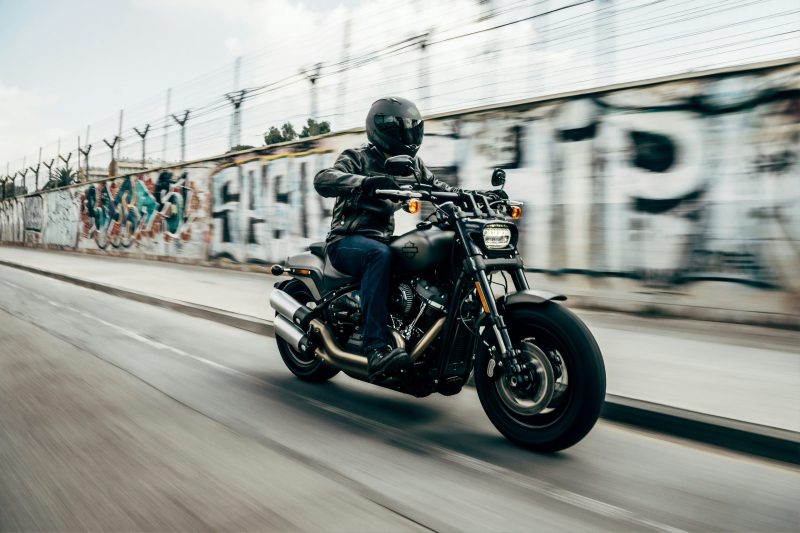
The rivalry between Indian Motorcycle and Harley-Davidson has spilled from showroom floors onto social media feeds, generating political controversy and culture-war commentary. But beneath the noise of attack ads and influencer campaigns lies a more important story — one about the riders themselves, the real risks they face every time they ride, and what the motorcycle industry actually owes its customers.
Indian Motorcycle recently issued a formal statement defending its aggressive campaign against Harley-Davidson, doubling down on criticisms of its rival while insisting it did not orchestrate the wave of right-wing influencer content that preceded the feud. The controversy has consumed the motorcycling press for weeks. But for the hundreds of thousands of Americans who ride daily, the brand war is background noise compared to a far more urgent reality: motorcycling remains one of the most dangerous forms of transportation in the United States.
The Indian-Harley Controversy, Explained
The dust-up began when MMA fighter Sean Strickland and other high-profile conservative influencers began publicly criticizing Harley-Davidson’s corporate record — particularly its now-shelved diversity, equity, and inclusion programs and its offshore manufacturing operations — while simultaneously promoting Indian Motorcycle as a more authentically American alternative.
Indian subsequently posted what amounted to a political-style attack ad on its official social media channels, citing Harley’s DEI retreat, offshore production, and marketing approach as reasons consumers should switch brands. The move drew both cheers and widespread criticism within the riding community, many of whom viewed the campaign as divisive and out of step with motorcycling culture.
In its statement, Indian’s spokesperson said the company “did not create the story, script the voices, or direct the people who brought these issues back into public view,” while framing the campaign as a natural response to a conversation riders were already having. The statement concluded with a notably combative line: “We respect Harley-Davidson’s history. We respect Harley riders. But respect is not surrender.”
As RideApart reported, Indian’s statement left many questions unanswered — including the extent of its relationship with the influencers involved and whether its own DEI program still exists. Notably, both Indian and Harley-Davidson previously had DEI programs, and Indian itself has offshored production to Poland and Vietnam, largely mirroring the record it criticized in its rival.
The controversy has drawn national attention. But for riders and road safety advocates, there is a more pressing conversation that deserves equal urgency.
The Real Stakes: Motorcycle Safety in America
No matter which brand a rider chooses, the road presents the same dangers. And those dangers are severe.
According to the National Highway Traffic Safety Administration (NHTSA), 6,228 motorcyclists were killed in traffic crashes in 2024, accounting for 16% of all traffic fatalities nationwide. The motorcyclist fatality rate was 27 times higher than the fatality rate for passenger car occupants per 100 million vehicle miles traveled. That disparity — 27 to 1 — reflects a sobering structural reality: motorcycles offer no crumple zones, no airbags, no protective steel cage.
The numbers go further. Of the motorcycle riders involved in fatal crashes in 2024, 37% were speeding at the time of the collision, compared to 22% of passenger car drivers. Among riders aged 15 to 20, the speeding involvement rate climbed to 56%. And 35% of motorcycle operators in fatal crashes were riding without a valid motorcycle license.
Alcohol remains a significant contributing factor. Of the 2,125 motorcycle riders who died in single-vehicle crashes in 2024, 40% were alcohol-impaired at the time of the crash, per NHTSA data.
The National Safety Council notes that over the last decade, motorcycle deaths have increased 24% and death rates have risen 9%. Even as the 2024 figures showed a slight 2% decrease from 2023, the numbers remain near historic highs.
What Makes Motorcycles So Dangerous
The physics are unforgiving. Two wheels, no protective enclosure, and a fraction of the visibility that motor vehicle drivers provide to other road users creates a dangerous asymmetry in traffic. Other drivers frequently fail to see motorcycles, misjudge their speed, or cut them off during lane changes and turns.
Several factors compound the risk:
Helmet use gaps. NHTSA data shows that helmet use among motorcycle riders increased from 66.5% in 2022 to 73.8% in 2023 — progress, but still leaving more than one in four riders unprotected. Helmets meeting Federal Motor Vehicle Safety Standard 218 are among the most effective tools for preventing fatal head injuries.
Unlicensed riding. Over a third of operators in fatal crashes in 2024 lacked valid motorcycle licenses, suggesting a training and licensing gap that contributes directly to fatalities.
Impairment. Alcohol impairment played a role in four out of ten single-vehicle fatal crashes in 2024. The Motorcycle Safety Foundation consistently ranks impaired riding as one of the top preventable causes of motorcycle fatalities.
Intersection danger. Intersections are among the most common sites for fatal motorcycle crashes, particularly when drivers making left turns fail to yield to oncoming riders.
Road hazards. Potholes, gravel, uneven pavement, and debris that barely register for car drivers can be catastrophic for motorcyclists. Pre-ride inspections — checking tire pressure, brakes, fluid levels, and lights — are a baseline precaution every rider should treat as non-negotiable.
Riding Safety: What Every Motorcyclist Should Know
The Motorcycle Safety Foundation recommends that all riders — regardless of experience — take a certified riding course before hitting public roads, and consider refresher training periodically. NHTSA’s rider safety guidance emphasizes the following practices:
- Wear a DOT-compliant helmet on every ride, every time — no exceptions.
- Complete a motorcycle safety course approved by your state’s licensing agency before riding in traffic.
- Ride sober. Alcohol and motorcycles are a deadly combination.
- Make yourself visible. Wear bright or reflective gear, use headlights during the day, and avoid riding in blind spots.
- Perform a pre-ride inspection before every trip — tires, brakes, lights, and fluid levels.
- Respect your bike. Switching to a new or unfamiliar motorcycle? Practice in a controlled area before entering traffic.
- Obey speed limits. Excessive speed dramatically reduces reaction time and increases the severity of injuries in a crash.
These aren’t bureaucratic guidelines. They are practices that directly determine whether a rider comes home.
When an Accident Happens: Know Your Rights
Even riders who do everything right get hurt. Negligent car drivers, defective road conditions, improperly designed intersections, and vehicle defects can all put a careful motorcyclist in the hospital — or worse.
Motorcycle accident victims frequently face a unique set of obstacles when seeking compensation. Insurance companies often hold biases against riders, assuming fault or minimizing injuries in ways they wouldn’t for car accident victims. Medical bills from crash-related injuries can be catastrophic, especially when traumatic brain injuries, spinal damage, or loss of limbs are involved.
Riders and their families should understand several important legal principles. First, motorcycle accidents often involve multiple liable parties — a distracted driver, a municipality that failed to repair a hazardous road, or a manufacturer whose parts were defective. Second, evidence deteriorates quickly after a crash. Witness memories fade, camera footage is overwritten, and skid marks disappear. Acting promptly to preserve evidence and document the scene matters enormously.
Third — and perhaps most importantly — speaking with an experienced motorcycle accident attorney before accepting any settlement offer from an insurance company can be the difference between fair recovery and being left with inadequate compensation.
The Banner Attorneys at BPI Law have experience handling motorcycle accident claims and understand the distinct legal challenges riders face. Getting qualified legal guidance early in the process protects your rights before an insurer can limit them.
What the Brand War Actually Reveals
The Indian-Harley controversy, stripped of its political theatrics, reflects something real about motorcycling culture: riders are deeply loyal, deeply passionate, and fiercely protective of what their bikes represent to them. Freedom, identity, American craftsmanship, the open road — these aren’t marketing talking points. They’re genuine values that draw people to two wheels.
That same passion is what makes the safety conversation so important. American riders deserve a motorcycle industry that competes hard on the merits — reliability, innovation, value, performance — and invests equally hard in the safety infrastructure that keeps their customers alive.
Whether a rider is aboard an Indian Chief or a Harley Street Glide, the road ahead carries the same risks. The motorcycle community is better served by brands that channel their rivalry into building safer, better motorcycles — and by riders who take the data seriously.
According to NHTSA, motorcyclists account for just 3% of all registered vehicles on American roads, but represent 16% of all traffic fatalities. That gap is not inevitable. It is a target.
Resources for Riders
- NHTSA Motorcycle Safety — Federal crash data, helmet standards, and rider guidance
- Motorcycle Safety Foundation (MSF) — Rider training courses, safety research, and licensing guidance
- National Safety Council — Motorcycle Injury Facts — Annual crash and fatality statistics
- Insurance Institute for Highway Safety (IIHS) — Motorcycle crash research and safety ratings
If you or someone you know has been injured in a motorcycle accident, the Banner Attorneys at BPI Law offer consultations for accident victims and their families.




Leave A Comment